


My Cocktail Bar Pro
4.6120.00 Reviews
App Specs
- Version
- 2.8
- Updated On
- License
- $1.99
- Downloads
- 10,000+
- Developer
- Roman Shu
- Categories
- Food & Drink
- Platform
- Android
Screenshots
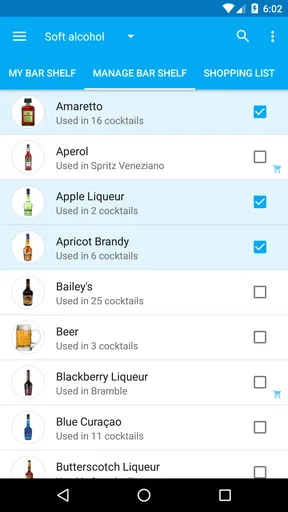
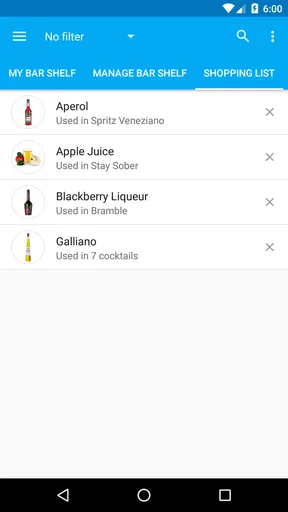
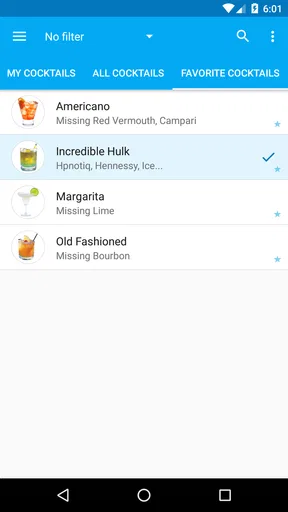
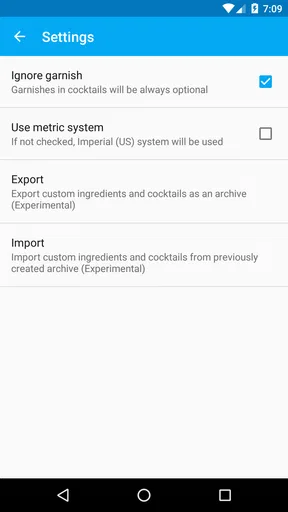
 Analysis by AppCompare
I enjoy cocktail apps most when they solve a real problem rather than simply making a phone look like a drinks menu. My Cocktail Bar Pro takes a practical route: it is a paid Food & Drink app from Roman Shu, built for people who want help choosing and preparing cocktails at home. I spent time looking at it as an everyday kitchen companion, not just something to open once while browsing recipes.
The first impression is appealing because the idea is immediately useful. When I have a bottle, a mixer, and no clear plan, a focused cocktail reference can save time and reduce the temptation to buy several extra ingredients. The app’s central value is not entertainment; it is helping turn what is already in the cupboard into a drink that feels intentional.
That distinction matters over time. A cocktail app can be exciting during the first week and then disappear from the home screen once the novelty wears off. My experience with this one is more mixed but ultimately positive: it has a reasonable chance of becoming a recurring reference for home bartenders, although its long-term usefulness depends heavily on how often you make drinks and whether you are willing to keep your ingredients organized.
What using the app feels like in the first week
During the first few sessions, I found the app easiest to appreciate when I approached it with a specific situation in mind. Instead of scrolling without a plan, I would think, “I have this spirit and these mixers,” then use the app as a decision-making tool. That workflow makes the experience feel faster and more practical than searching the wider internet, where results often mix professional recipes, personal variations, advertisements, and long introductions.
The paid model also changes how I view it. At $1.99, it is not a major purchase, but it does create a reasonable expectation that the app should be useful without constantly interrupting the process. For someone who only wants to make a drink occasionally, that small upfront cost may be easier to accept than dealing with a free alternative that requires more browsing or distractions.
I would not describe the opening experience as a replacement for learning bartending. It is better understood as a compact reference. You still need to know what you actually have at home, measure carefully, and understand that a recipe cannot compensate for poor-quality ingredients or a missing tool. The app can suggest a direction, but it does not remove the hands-on part of making the drink.
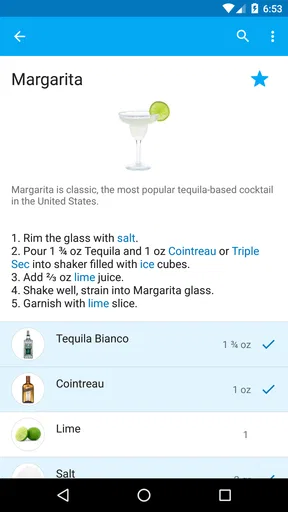
One useful habit is to check the ingredient list before deciding what to prepare. This sounds obvious, but it prevents a common frustration: choosing a cocktail because its name sounds appealing, only to discover that one small component requires a separate shopping trip. I found the app more satisfying when I treated each recipe as a planning prompt rather than an automatic answer.
Worth Reading Before You Choose

Flipboard Shows What News Apps Must Do Beyond the Feed

Switching to Android Auto Means Rethinking Your Driving Routine

Google Calendar Makes a Crowded Week Easier to Manage

Ludo King Makes the Most of the Minutes Between Plans

Baby Panda World Brings Quick Play to Modern Phones, but Its Game Library Feels Busy

ESPN’s Live Game View Makes Following Close Games Easier
It is also a good fit for a small gathering. If friends are coming over, I can use a cocktail reference to narrow the menu instead of improvising several unrelated drinks. A better approach is to choose one or two recipes that share some ingredients, then buy only what is needed to complete them. That reduces waste and makes serving easier, especially when I do not want to measure a completely different set of ingredients for every guest.
Why the focused approach works better than general recipe searching
General web searches are useful when I want history, technique, or unusual variations, but they are not always efficient when I simply need a dependable starting point. A dedicated cocktail app keeps the task narrower. That focus is valuable after work, before a dinner, or when I am standing in a shop trying to decide whether a purchase will support several drinks rather than one.
The trade-off is that a focused reference may feel less open-ended than the internet. If you enjoy reading long explanations about the origin of a cocktail or comparing dozens of modern interpretations, you may still prefer a browser, a book, or a specialist community. I see this app as the quick working tool, not the complete education of a serious mixologist.
Its audience is therefore quite specific. Beginners can use it to move beyond pouring a spirit over ice, while casual hosts can use it to create a more considered menu. Experienced bartenders may find it useful for quick recall, but they may also outgrow it if they want deep technique, detailed tasting notes, or a large experimental database.
Does it keep earning space after the novelty fades?
The real test begins after the first few enthusiastic sessions. A cocktail app earns a permanent place on my phone only if it helps with repeated decisions: what to make on an ordinary evening, what to serve with a meal, and how to use ingredients before they sit untouched. In that respect, the app’s value is tied less to how many recipes I browse and more to whether it changes my routine.
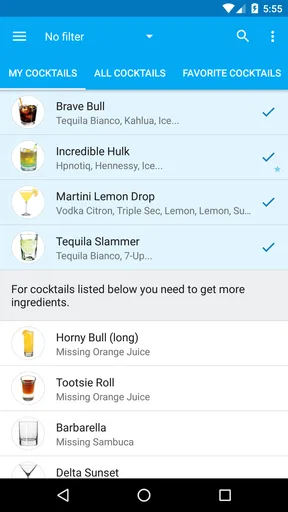
I found the strongest recurring use case in ingredient-led planning. Rather than starting with a cocktail name, I start with the bottle or mixer that needs using. This is a small but important shift. It turns the app into a way of reducing waste and discovering combinations, instead of a menu that I admire but rarely act on.
For example, imagine a Saturday evening when I have a bottle of gin, citrus, and a few common mixers. I can use the app to select a drink that fits those supplies, then prepare it without opening several unrelated recipe pages. If the result works, I remember the combination and can repeat it later. If it does not suit my taste, I have still learned which ingredients are worth keeping for the next attempt.
That kind of repeated use is more convincing than novelty. I do not need a cocktail app every day, but I do want it to be dependable when the occasion appears. Its value is naturally seasonal and social: weekends, dinners, small celebrations, or quiet evenings when I want something different without turning the kitchen into a laboratory.
The app also works well as a shopping filter. Before buying another bottle, I can consider whether it supports drinks I am realistically likely to make. This is a better long-term habit than collecting ingredients because a recipe looks attractive. Specialty bottles can become expensive clutter, while a short list of versatile ingredients gives the app more practical value.
Where the routine can become repetitive
The limitation is that repeated usefulness depends on variety and personal curiosity. If I only make the same two or three familiar drinks, I will eventually remember the process and stop opening the app. That is not necessarily a flaw in the software; it is a natural limit of a reference tool. Once a recipe becomes part of muscle memory, the phone adds little.
There is also a difference between discovering a recipe and enjoying it. A list can tell me what belongs in a drink, but taste remains personal. I may prefer less sweetness, more acidity, a different strength, or a particular garnish. The app is most useful when I treat its recipes as starting points and make careful adjustments, rather than assuming every instruction will match my preferences perfectly.
That is one of the more important trade-offs for beginners. Following a recipe exactly can build confidence, but blindly following it can discourage experimentation. I recommend making the first version as written, then changing one element at a time on later attempts. This makes it easier to understand whether the issue is the base spirit, the balance, the dilution, or simply a flavor I do not enjoy.
The maintenance burden is mostly in the kitchen, not the app
Using a cocktail reference regularly requires a little preparation. I need to keep track of fresh ingredients, replace mixers, and remember which bottles are nearly empty. The app can help me decide what to make, but it cannot keep my home bar accurate by itself. That means the maintenance burden is not just digital; it is physical and financial.
A practical system is to keep a short inventory in mind before opening the app: base spirits, sweet elements, sour elements, mixers, and useful garnishes. I do not need a perfect spreadsheet. Even a quick check of the cupboard and refrigerator prevents the most common disappointment, which is finding a recipe I like but cannot actually prepare.
Fresh ingredients deserve special attention. Citrus, herbs, and other perishable items can make a cocktail feel much better, but they also create pressure to use them promptly. I would not buy a large collection of fresh garnishes just because the app makes several recipes look appealing. It is more sensible to plan a few drinks around the same fresh ingredient and use it while it is still in good condition.
Glassware and tools create another practical boundary. A recipe can be simple on paper but awkward if I do not have a shaker, strainer, measuring tool, or suitable glass. I recommend checking the preparation requirements before committing to a drink for guests. For a quiet evening, improvising may be fine; for a group, discovering halfway through that a key tool is missing can slow everything down.
This is where the app is less convenient than a very basic personal note. A note containing three reliable recipes reflects my exact cupboard and equipment. The app offers broader discovery, but I still have to adapt its suggestions to my circumstances. Users who want a completely automated “use what I have” system may find that expectation too ambitious.
What can cause fatigue over several months
The first source of fatigue is repeated browsing without a clear goal. Cocktail lists are attractive, but scrolling through them can become a form of procrastination. I get more value when I decide whether I am planning a drink, shopping for ingredients, or learning a new style. Each session should produce an action: make something, add one sensible item to the bar, or reject a recipe because it does not fit my habits.
The second source is ingredient overload. Discovering new drinks can encourage unnecessary purchases, especially when each recipe seems to require a different syrup, liqueur, or garnish. I have found that the app works best with a deliberately limited home bar. A smaller selection makes the recommendations more relevant and stops the hobby from becoming a storage problem.
The third is the gap between recipe precision and real-world conditions. Ice size, glass temperature, ingredient quality, and measuring accuracy all affect the result. If I make a drink in a warm kitchen with melting ice and estimate every quantity, the app may appear less reliable than it really is. The sensible response is to improve one practical variable at a time rather than blaming the recipe immediately.
There is also a social fatigue factor. Making cocktails for guests can be enjoyable, but preparing complicated drinks one by one is tiring. For a gathering, I would choose recipes that can be prepared consistently and avoid building a menu that demands constant attention. The app helps with selection, but I still have to protect the host’s time.
Who should use it, and who should skip it?
I would recommend it to someone who wants a dedicated cocktail reference, prefers a direct tool to scattered web searches, and expects to make drinks at least occasionally over the long term. It is especially suitable for a beginner who has started buying a few spirits and wants practical ideas instead of collecting recipes without a plan.
It also makes sense for a casual host. The ability to choose a small, coherent menu is more valuable than having an enormous range of unrelated options. I would use it before shopping, then select drinks that overlap in ingredients and preparation. That workflow saves money and reduces the chance of leaving half-used bottles behind.
I would skip it if I rarely drink cocktails, already have a personal recipe system, or want advanced professional instruction. The $1.99 price is modest, but even a modest purchase is unnecessary if I will open the app only once. Likewise, someone looking for detailed cocktail history, deep technique lessons, or a highly personalized inventory manager may be better served by a specialized book or another kind of tool.
The mature age rating of 17+ is also worth noticing for households. This is clearly intended for an adult audience, not a general family cooking app. Parents should not treat its presence on a shared device as an invitation for younger users to explore it unsupervised.
Technical lifespan and expectations
The app was released on February 18, 2012, and the current version is 2.8. It runs on devices using Android 6.0 or later. Those details suggest that compatibility should be checked before installing on an older phone or tablet, especially if the device has been kept for many years. On a suitable device, the modest scope is part of the appeal: I am opening it to make a decision, not to manage an entire lifestyle.
Its store presence is established enough to show a 4.6 average from over 800 ratings, with more than 100 written reviews and over 10 thousand installs. I treat those figures as a useful sign of interest rather than proof that every user will share my preferences. A cocktail reference can be well received and still be the wrong fit for someone who wants a different depth of information or a more modern workflow.
One practical tip is to test the app during an ordinary week rather than only before a special occasion. Make one drink with ingredients already available, then try one recipe that requires a small purchase. This reveals whether the app genuinely fits your habits or merely looks appealing when you are in the mood for a new hobby.
My long-term verdict
After the initial excitement fades, I see My Cocktail Bar Pro as a useful occasional companion rather than an app I would keep open constantly. Its lasting value comes from helping me make decisions with what I already own, plan a manageable shopping list, and add variety without relying on random searches.
The strongest reason to keep it installed is its focused role. I can reach for it when friends arrive, when I want to use a neglected bottle, or when I need a reliable starting point for a drink I have not made before. The weakest point is that it cannot maintain my home bar or guarantee that every recipe will match my taste. I still need judgment, supplies, tools, and a willingness to adjust.
For $1.99, I think it earns its place for regular home cocktail makers who prefer a straightforward paid reference and do not need a full bartending course. I would not recommend it automatically to everyone in the Food & Drink category, because occasional drinkers may get more value from a few saved recipes and experienced enthusiasts may want deeper material. But for the middle ground—a person building a modest home bar and looking for repeatable ideas—it has lasting practical value.
My final advice is to use it with a simple routine: check your ingredients, choose recipes that share supplies, make the first version carefully, and record mentally what you would change next time. Used that way, the app avoids becoming another forgotten download. It becomes a small, useful part of the evening whenever the question is not “What cocktail exists?” but “What can I make well with what I have right now?”
Pros
- Large recipe library with classic and creative cocktails.
- Clear ingredient lists make shopping and preparation easier.
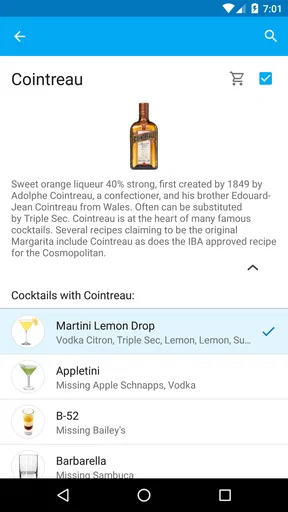
- Useful search tools help find drinks by name or ingredients.
- Professional presentation suits both beginners and enthusiasts.
- Works well as a quick reference while mixing drinks.
Cons
- Some recipes may require rare or expensive ingredients.
- Advanced drink recommendations can feel limited.
- The interface may seem dated on some devices.
- Measurements may not match every country’s preferred units.
- A paid app may be less appealing to occasional cocktail makers.
FAQs for My Cocktail Bar Pro
What is My Cocktail Bar Pro, and what can I do with it?
My Cocktail Bar Pro is a cocktail reference and recipe app designed to help users discover, prepare, and organize mixed drinks. It typically provides drink recipes, ingredient lists, preparation instructions, and useful browsing tools for finding cocktails by name, category, or available ingredients. It is aimed at both beginners and more experienced home bartenders who want a convenient guide on their Android or iOS device.
Does My Cocktail Bar Pro work without an internet connection?
Many cocktail apps allow at least part of their recipe collection to be accessed offline, which is useful when you are shopping for ingredients or preparing drinks away from a reliable connection. However, availability may depend on the app version and the specific feature being used. Before relying on it offline, open several recipes after disconnecting from the internet and check whether images, search tools, and saved content remain available.
Is My Cocktail Bar Pro suitable for beginners?
Yes, My Cocktail Bar Pro can be useful for beginners because recipes generally present the ingredients, measurements, and preparation steps in a structured format. New users can start with familiar cocktails and gradually try more advanced combinations. Even so, beginners should read each recipe carefully, use proper measuring tools, and remember that the app is a guide rather than a replacement for responsible alcohol consumption or basic bar-safety practices.
Does My Cocktail Bar Pro include a search or ingredient-based discovery feature?
The app is designed to make cocktail discovery easier, so users should expect practical ways to browse or search its recipe collection. Depending on the installed version, this may include searching by cocktail name, exploring categories, or finding drinks related to ingredients already available at home. These tools are especially helpful when you want to avoid buying unusual products or need inspiration for a specific spirit.
Is My Cocktail Bar Pro free, and are there any limitations or in-app purchases?
The pricing model can vary by platform and app version, so it is important to check the Google Play Store or Apple App Store listing before downloading. A Pro edition may be paid upfront or may include premium features, while some versions can contain advertising or optional purchases. Review the store description, permissions, subscription terms, and refund policy carefully so you understand the total cost before installing.


